
by Herbally | Oct 3, 2026 | Middle East
Introduction
The phrase “Middle East approach to medicine” covers a wide and diverse set of practices, institutions, beliefs and policies across a large region that spans North Africa, the Arabian Peninsula, the Levant, Turkey and Iran. There is no single unified model. Instead, the region combines centuries-old medical traditions and religious ethical frameworks with modern hospitals, biomedical research, rapidly expanding private-sector health care and major public‑health initiatives. Understanding the typical features of medicine in the Middle East requires attention to historical influences (Islamic and pre-Islamic medical traditions), the role of religion and family in care decisions, the spectrum from traditional remedies to evidence‑based medicine, and major contemporary forces such as urbanization, conflict, migration and economic differences between oil-rich Gulf states and lower‑income or conflict-affected countries.
Historical and cultural background
- Classical and Islamic medicine: From the late Antiquity and through the medieval period, centers such as Baghdad, Cairo and later Iranian schools made major contributions to medical knowledge. Physicians like al-Razi (Rhazes) and Ibn Sina (Avicenna) synthesized Greek, Persian, Indian and local knowledge; their works influenced both regional practice and later European medicine. This legacy persists culturally and in some traditional practices.
- Traditional and folk medicine: Systems such as Unani (Greco-Arabic) medicine, prophetic or “Tibb al-Nabawi” remedies (honey, black seed, cupping/hijama), herbal therapies and local folk customs remain important, especially in rural areas and among older generations. Many people integrate traditional remedies with modern treatments.
- Religion and bioethics: Islam shapes ethical reasoning and public discourse about health in many Middle Eastern societies. Islamic jurisprudence (fiqh) and religious authorities issue guidance (fatwas) on issues from organ donation and IVF to end‑of‑life care. Interpretation varies by school, country and scholar; many contemporary fatwas permit organ transplantation, assisted reproduction and certain end‑of‑life interventions under defined conditions.
Health systems and delivery
- Public vs private mix: Healthcare systems vary widely. Wealthier Gulf states (UAE, Qatar, Saudi Arabia, Kuwait) invest heavily in hospitals, technology and health insurance, and have significant private sectors and medical tourism. Other countries rely more on public systems, donor support, or patchwork services-especially where conflict or limited budgets have damaged infrastructure.
- Workforce and education: The region trains many doctors and nurses locally, but several countries (notably the Gulf states) also rely heavily on expatriate health workers. Medical education standards and postgraduate training (national boards and regional bodies like the Arab Board) are expanding; some countries are strengthening graduate medical education and research capacity.
- Primary care and preventive services: Historically, curative hospital care has had more emphasis in some countries than community and primary care, but primary care is growing as governments confront the rising burden of chronic disease and seek cost‑effective care models.
- Regulation and quality: Regulatory capacity varies. Some states have mature licensing, accreditation and health ministries that enforce standards; others struggle with fragmented oversight, especially in unstable settings.
Contemporary trends and strengths
- Rapid modernization in parts of the region: Several Gulf countries and urban centers have built world‑class hospitals, invested in digital health, and positioned themselves as medical tourism hubs. Public health campaigns (vaccination, maternal health, diabetes management) have seen successes in many places.
- Growing research and innovation: Universities and research hospitals in countries such as Israel, Turkey, Iran and the Gulf are increasing medical research output and clinical trials. Collaboration with global institutions is rising.
- Telemedicine and digital tools: COVID‑19 accelerated telemedicine adoption, remote monitoring, and health apps. Several governments are investing in national e‑health records and digital platforms.
- Community and family involvement: Family plays a central role in decision making, caregiving and financing care. This can strengthen support systems but also complicate patient autonomy debates and confidentiality practices.
Major health challenges
- Noncommunicable diseases (NCDs): Diabetes, cardiovascular disease, obesity and associated risk factors are prevalent and rising across many Middle Eastern countries. Lifestyle changes, urbanization and dietary shifts contribute.
- Infectious disease and outbreaks: While vaccination programs have reduced many infectious threats, surveillance and response vary. Conflict and displacement often result in outbreaks of vaccine‑preventable and other communicable diseases.
- Conflict, displacement and humanitarian crises: War and displacement in Syria, Yemen, Iraq and parts of Libya have devastated health systems, created refugee health needs and produced gaps in chronic disease management, maternal care and mental health services.
- Mental health stigma and services: Mental health conditions are common but often underdiagnosed and undertreated due to stigma, limited specialized services and variable integration into primary care.
- Antimicrobial resistance and stewardship: Overuse of antibiotics, inconsistent prescription practices and limited stewardship are regional concerns, prompting WHO and national responses.
- Health inequities: Socioeconomic disparity, rural-urban divides, gender disparities and unequal access for refugees and migrant workers create variable health outcomes.
Integration of traditional and modern medicine
- Complementary use: Many patients use traditional remedies alongside prescribed medicines. Some traditional practices have plausible benefits (e.g., certain plants under study), while others lack robust evidence and can interact with pharmaceuticals.
- Regulation and research: Some countries conduct research into traditional therapies and attempt to regulate herbal products and traditional practitioners; others have looser oversight. Medical curricula in some places now include modules on traditional medicine and cultural competence.
Ethical and gender considerations
- Gender dynamics: Cultural norms influence patient‑provider interactions and preferences. Female patients may prefer female practitioners in some contexts; in recent decades, the number of female physicians and nurses has grown substantially across the region.
- End‑of‑life care and reproductive health: Religious, legal and cultural frameworks shape views on withdrawal of care, palliative services, contraception and assisted reproduction. Debates often involve religious scholars, clinicians and policymakers.
Practical implications for patients and clinicians
- For travelers: Expect a mix of modern hospitals (especially in major cities) and variable rural services. Carry documentation of prescriptions, ensure vaccinations are up to date, and obtain travel/medical insurance.
- For clinicians: Cultural competence-respecting family roles, religious beliefs and traditional practices-improves trust and adherence. Be prepared for variable availability of diagnostics and medications in different settings.
- For policymakers: Priorities include strengthening primary care, addressing NCDs, investing in public health capacity, protecting health services in conflict zones and improving workforce training and retention.
Frequently Asked Questions (FAQs)
- Is medicine in the Middle East guided by religion?
Religion (primarily Islam in much of the region) informs ethical perspectives and public debate on medical issues, and religious authorities often provide guidance on complex bioethical matters. However, clinical practice is primarily based on modern biomedical training and national health regulations. Views and practices vary by country, community and individual.
- Do people in the Middle East use herbal or traditional remedies?
Yes. Many people use herbal remedies, cupping (hijama), honey, black seed (Nigella sativa) and other traditional practices alongside conventional treatments. Use depends on cultural background, education, access to care and personal preference.
- How does conflict affect healthcare access?
Armed conflict damages infrastructure, displaces health workers and patients, and interrupts supply chains for medicines and vaccines. It sharply reduces access to routine and emergency care and increases the need for humanitarian health responses.
- Are modern hospitals available everywhere?
Major cities generally have modern hospitals and specialist services; rural and conflict-affected areas may have limited or inconsistent services. Wealthier Gulf states have high‑quality facilities, sometimes attracting medical tourists.
- Can Islamic law permit organ donation or IVF?
Many contemporary Islamic scholars and national fatwas permit organ transplantation and assisted reproductive technologies under regulated conditions. Opinions vary, and national laws and religious rulings may differ.
- What are the main public‑health problems?
Rising noncommunicable diseases (diabetes, heart disease), obesity, tobacco (including waterpipe) use, and health impacts from conflict and displacement are leading priorities. Infectious disease outbreaks and antimicrobial resistance are also important concerns.
- Is medical care expensive?
Costs vary widely. Some countries offer largely public, subsidized care; others rely on private providers. In the Gulf, high-quality private care can be expensive, though insurance programs and public facilities reduce out-of-pocket costs for nationals.
- How accessible are female health providers?
The proportion of female health professionals has increased across the region. In many urban centers and hospitals, female physicians, surgeons and specialists are common. Preferences and availability vary by setting.
- Are health workers from abroad common?
Yes, especially in the Gulf where expatriate doctors and nurses form a substantial portion of the workforce. This can bring skills and fill shortages but also raises issues of licensing, continuity of care and workforce sustainability.
- How is mental health addressed?
Mental health services are expanding but remain underresourced in many countries. Stigma and limited integration into primary care are barriers to access.
Conclusion
There is no single “typical” Middle Eastern approach to medicine-rather, a mosaic shaped by historical scholarship, religious and ethical traditions, strong family and community roles, and contemporary forces such as economic disparity, conflict and rapid modernization. In many places, traditional remedies coexist with evidence‑based medicine; in others, global best practices are increasingly adopted. Key regional priorities include strengthening primary care, addressing noncommunicable diseases, protecting health systems during conflict, expanding mental health services, and improving regulation and research capacity. For clinicians and policymakers working in or with the region, cultural competence, partnerships with community and religious leaders, and a focus on resilient and equitable health systems are essential.
External links and resources
- World Health Organization – Regional Office for the Eastern Mediterranean (WHO EMRO): https://www.who.int/regions/emro
- World Bank – Middle East and North Africa overview: https://www.worldbank.org/en/region/mena/overview
- UNHCR – Health services and refugees: https://www.unhcr.org/health.html
- National Center for Biotechnology Information (NCBI) – Traditional Arabic and Islamic medicine in the Middle Ages (review): https://www.ncbi.nlm.nih.gov/pmc/articles/PMC1297516/
- NCBI – Islamic bioethics and medical ethics resources (searchable collection): https://www.ncbi.nlm.nih.gov/
- WHO – Noncommunicable diseases fact sheet: https://www.who.int/news-room/fact-sheets/detail/noncommunicable-diseases
- WHO EMRO – Antimicrobial resistance: https://www.emro.who.int/our-work/antimicrobial-resistance/
- Arab Board of Health Specializations: https://www.arab-board.org
- Saudi Vision 2030 – Health and development initiatives (example of regional health modernization plans): https://vision2030.gov.sa/en
If you’d like, I can provide a country‑by‑country snapshot (e.g., Gulf states, Levant, Iran, Turkey, Israel, North Africa) to highlight differences in health systems, workforce and major health indicators. Which country or subregion would you like to explore next?
by Herbally | Oct 3, 2026 | Herbs
What is Herbalisme and How Can It Help You?
Introduction
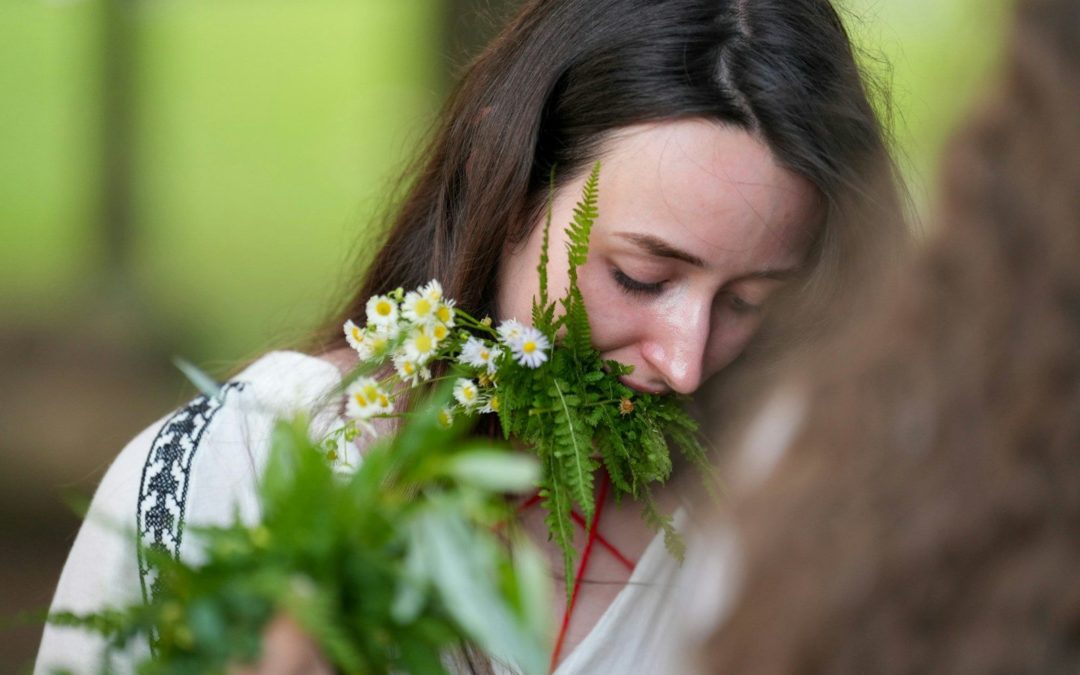
Herbalisme – more commonly known in English as herbalism or herbal medicine – is the practice of using plants and plant-derived preparations to promote health, prevent illness, and support recovery. For millennia, people around the world have relied on herbs for food, healing, and ritual. Today, herbalism exists both as traditional, culturally rooted systems (for example, Traditional Chinese Medicine and Ayurveda) and as modern evidence-informed practice where specific plants are studied for safety and efficacy. This article explains what herbalism is, how it can help you, the evidence and safety considerations, how to start incorporating herbs responsibly, and answers common questions.
What is herbalism?
At its core, herbalism uses whole plants or plant extracts – leaves, roots, bark, flowers, seeds, and oils – to influence physiological processes. Herbalists may work with single herbs or blend botanicals into formulas tailored to an individual’s symptoms, constitution, or health goals. Unlike pharmaceutical drugs that typically isolate a single active molecule, many herbal traditions emphasize synergy among multiple constituents in a plant, believing that the combination produces balanced effects and reduces side effects.
A brief history and cultural context
Herbal medicine is ancient. Archaeological and textual records show herbal remedies in use in Mesopotamia, Ancient Egypt, India (Ayurveda), China (Traditional Chinese Medicine), and indigenous cultures worldwide. Over centuries these systems developed rich materia medica – lists of medicinal plants and their uses – alongside methods for preparation (teas, decoctions, poultices, tinctures) and philosophies about health and balance. Modern herbalism often blends traditional knowledge with contemporary scientific research.
Common forms and preparations
- Teas (infusions): hot water extracts, typically for leaves and flowers (e.g., chamomile tea).
- Decoctions: longer boiling for tougher plant parts like roots or bark (e.g., licorice root).
- Tinctures: alcohol or glycerin extracts that concentrate active constituents.
- Capsules and tablets: powdered herbs or standardized extracts for convenience and dosing.
- Extracts and standardized extracts: concentrated active components (e.g., curcumin standardized extracts).
- Topicals: creams, salves, poultices, compresses for skin and musculoskeletal use.
- Essential oils: highly concentrated volatile compounds used aromatically or topically (caution: potent and not consumed except when formulation and safety are established).
How herbalism can help you – evidence-informed examples
Herbalism can support health in several ways: symptom relief, chronic condition management, preventive support, and adjunctive care. Some examples with relatively strong research support include:
- Ginger: well-supported for nausea and vomiting (pregnancy-related and chemotherapy-induced in some studies) and for certain digestive complaints.
- Peppermint oil: evidence supports its use for irritable bowel syndrome (IBS) when taken enteric-coated.
- St. John’s wort (Hypericum perforatum): demonstrated efficacy for mild to moderate depression in multiple trials, but important drug interactions limit its safe use.
- Turmeric/curcumin: shows anti-inflammatory properties in laboratory and some clinical studies; may provide symptom relief for osteoarthritis and other inflammatory conditions, though bioavailability and standardized dosing matter.
- Chamomile: traditional use and some clinical evidence for mild insomnia and digestive discomfort.
- Echinacea: mixed evidence for reducing the duration or severity of common colds; effectiveness varies by species and preparation.
Note: Research quality varies widely across herbs, and positive findings for one preparation or extract cannot be generalized to all forms of the same plant.
Safety, regulation, and drug interactions
- “Natural” does not always mean “safe.” Herbs contain biologically active compounds that can produce side effects, allergic reactions, toxicities (in high doses or with contamination), or significant interactions with prescription drugs.
- Drug interactions can be serious. For example, St. John’s wort induces liver enzymes (CYP3A4), reducing effectiveness of many medications including oral contraceptives, anticoagulants, and certain anti‑HIV drugs. Grapefruit (a food) similarly affects drug metabolism. Herbs such as ginkgo, garlic, and ginger can affect blood clotting and interact with anticoagulants.
- Regulation: in many countries (including the U.S.), herbal supplements are regulated as dietary supplements, not drugs. This means manufacturers are not required to prove safety and efficacy before marketing. Quality, potency, purity, and labeling can vary.
- Contamination and adulteration: products can be contaminated with heavy metals, pesticides, pharmaceuticals, or misidentified plant species. Look for third‑party testing and reputable manufacturers.
How to use herbs responsibly
- Consult your healthcare team: tell your physician, pharmacist, or other care providers before starting herbs, especially if you take prescription medications, have chronic conditions (heart disease, diabetes, kidney disease, liver disease), are pregnant or breastfeeding, or plan to give herbs to children.
- Start low and go slow: begin with a low dose and monitor for effects or side effects. Keep a symptom and dosing journal.
- Choose quality products: prefer brands with good manufacturing practices (GMP), batch numbers, clear Latin plant names, standardized extracts when appropriate, and third‑party testing (USP, NSF, ConsumerLab where available).
- Prefer evidence-based uses: rely on herbs with reasonable clinical evidence for your condition and avoid relying solely on anecdote or marketing.
- Work with trained practitioners: qualified herbalists, naturopathic physicians, or integrative medicine clinicians can help choose safe herbs, adjust dosages, and monitor interactions. Verify credentials and experience.
Finding a practitioner and evaluating credentials
- Look for registered/chartered herbalists or certified practitioners through professional bodies (varies by country). In the U.S., naturopathic doctors (NDs) with herbal training, licensed herbal practitioners, and integrative medicine clinicians may offer guidance.
- Ask about training, scope of practice, references, and whether they coordinate care with your primary physician.
Research and future directions
Research into herbal medicines continues to grow, but high-quality randomized controlled trials (RCTs) and standardized product studies are still limited for many botanicals. Future progress depends on: rigorous clinical trials, better quality control and standardization, clearer safety surveillance, and integrative approaches that combine traditional knowledge with modern pharmacology.
FAQs
Q: Is herbalism the same as taking dietary supplements?
A: Not exactly. Herbalism is the practice of using whole plants and plant preparations to support health. Dietary supplements are a legal category that includes many herbal products; however, supplements can vary widely in quality, and not all herbal preparations are marketed as supplements (some are traditional preparations, topicals, or essential oils).
Q: Are herbs safer than pharmaceutical drugs?
A: “Safer” is context-specific. Some herbs have fewer side effects for certain uses, but others cause serious adverse effects or interact with drugs. Safety depends on the herb, dose, preparation, individual health status, and product quality.
Q: Can I use herbs while taking prescription medications?
A: You should consult your healthcare provider first. Many herbs interact with medications (e.g., St. John’s wort with many drugs; ginkgo, garlic, and ginger may affect blood clotting). Never start or stop medications without medical advice.
Q: Are herbalists regulated?
A: Regulation varies by country and region. Some places have licensing or registration for herbal practitioners; elsewhere, regulation is limited. Check local laws and credentials when choosing a practitioner.
Q: Can herbs treat serious diseases like cancer?
A: Herbs may help manage symptoms (nausea, appetite, fatigue) or support wellbeing, but they should not replace conventional cancer treatments. Always coordinate with oncology teams.
Q: How do I choose a good herbal product?
A: Look for clear labeling (Latin name, part of plant used), dosage information, standardized extracts if applicable, expiration date and batch number, and third‑party testing seals (USP, NSF, ConsumerLab). Buy from reputable companies.
Q: Are herbs safe in pregnancy and for children?
A: Many herbs are contraindicated or lack safety data in pregnancy and for young children. Always consult a qualified healthcare provider before using any herb during pregnancy, breastfeeding, or for infants and children.
Conclusion
Herbalisme (herbalism) offers a long history of plant-based approaches to health that can complement modern medical care. When used thoughtfully – with attention to evidence, safety, product quality, and professional guidance – herbs can help with a variety of common conditions such as mild digestive complaints, nausea, some inflammatory conditions, sleep disturbances, and symptom support. However, herbal remedies are biologically active therapies and require the same caution as pharmaceuticals: check interactions, use reputable products, and coordinate with your healthcare team. Thoughtful, evidence-informed herbalism can be a valuable part of a holistic approach to health.
External links and resources
- National Institutes of Health – National Center for Complementary and Integrative Health (NCCIH): Herbal and Botanical Products – https://www.nccih.nih.gov/health/herbal-medicines
- MedlinePlus – Herbs and Supplements – https://medlineplus.gov/druginfo/herb_All.html
- World Health Organization – Traditional, Complementary and Integrative Medicine fact sheet – https://www.who.int/news-room/fact-sheets/detail/traditional-complementary-and-integrative-medicine
- Memorial Sloan Kettering Cancer Center – About Herbs: Integrative Medicine Herb-Drug Interactions and Monographs – https://www.mskcc.org/cancer-care/integrative-medicine/about-herbs
- American Botanical Council – HerbalGram (news, research, and resources) – https://www.herbalgram.org/
- ConsumerLab – Independent tests of supplements (subscription) – https://www.consumerlab.com/
- PubMed Central – free database of biomedical research articles (search for clinical studies and reviews on specific herbs) – https://www.ncbi.nlm.nih.gov/pmc/
If you’d like, I can:
- Summarize the evidence for a specific herb you’re interested in (e.g., turmeric, ginger, St. John’s wort), or
- Suggest questions to ask a herbalist or integrative clinician, or
- Provide a short guide to reading herb product labels.

by Herbally | Oct 3, 2026 | Chinese
What can Traditional Chinese Medicine TCM do for you ?
Introduction
Traditional Chinese Medicine (TCM) is an ancient system of health care that has been practiced for thousands of years. Rooted in the Chinese concepts of qi (vital energy), yin and yang (balance of opposites), and the flow of energy along meridians, TCM uses a range of practices-acupuncture, herbal medicine, moxibustion, cupping, tuina (therapeutic massage), dietary therapy, and qigong-to prevent illness, relieve symptoms, and promote overall health. In modern healthcare settings, TCM is often used either as a complement to conventional medicine or, in some cases, as an alternative when conventional options are limited or ineffective.
This article explains what TCM can do for you, summarizes the evidence, highlights safety considerations, describes what to expect, and answers frequently asked questions.
What TCM can offer
- Symptom relief for certain conditions
- Pain management: Acupuncture and some TCM approaches have the best evidence for reducing chronic pain such as low back pain, osteoarthritis of the knee, tension-type headaches, and some forms of chronic neck pain.
- Nausea and vomiting: Acupuncture and acupressure (e.g., at the P6/Neiguan point) are supported for reducing postoperative and chemotherapy-induced nausea in many studies.
- Some neurological and functional symptoms: TCM approaches (acupuncture, herbal formulas) are sometimes used to help with migraine, sleep disturbances, and functional gastrointestinal complaints where conventional therapies are incomplete or cause side effects.
- Supportive care: TCM modalities are commonly used as supportive care for people undergoing cancer treatment, for fatigue, and to improve quality of life (evidence varies by intervention and outcome).
- Holistic and preventive care
- Lifestyle and dietary guidance: TCM dietary therapy and qigong/tai chi can support general well-being, stress management, balance, and physical fitness.
- Chronic disease management: TCM practitioners emphasize long-term balance (diet, movement, stress reduction), which can help people manage chronic conditions as part of a comprehensive plan.
- Nonpharmacologic options
- For people seeking non-drug options either because of medication side effects, preference for nonpharmacologic care, or as complementary therapy, TCM offers alternatives such as acupuncture, massage (tuina), and movement therapies.
Common TCM modalities explained
- Acupuncture: Insertion of thin needles into specific points along meridians to modulate physiology and reduce pain or symptoms.
- Herbal medicine: Complex formulas of plant (and sometimes mineral or animal-derived) substances tailored to the person’s pattern of imbalance.
- Cupping: Suction cups placed on the skin to increase local circulation and relieve musculoskeletal pain.
- Moxibustion: Burning of the herb mugwort (moxa) near the skin to apply heat at acupuncture points.
- Tuina: Chinese therapeutic massage and bodywork.
- Qigong/Tai Chi: Movement, breathing and meditation practices that promote balance, flexibility and mental calm.
- Dietary therapy: Food choices and preparation consistent with TCM theory to restore balance.
What the evidence says (summary)
- Stronger evidence: Acupuncture has the clearest and most consistent evidence among TCM therapies for certain types of pain and for reducing nausea and vomiting. Several large meta-analyses and systematic reviews support modest but clinically meaningful benefit for chronic pain conditions.
- Mixed/limited evidence: Many herbal formulas and other TCM treatments have limited high-quality randomized controlled trial evidence; some show promise, but studies are often heterogeneous and variable in quality.
- Inconclusive/no reliable evidence: For many conditions, especially serious or life-threatening disease, evidence is insufficient to recommend TCM as a primary curative therapy. TCM may be used as supportive or adjunctive care, but it should not replace proven conventional treatments without careful medical advice.
Safety, risks, and interactions
- Acupuncture safety: When performed by trained, licensed practitioners using sterile single-use needles, acupuncture is generally safe. Risks include minor bleeding, bruising, infection (rare with sterile needles), and, very rarely, organ puncture (e.g., pneumothorax) if improperly performed.
- Herbal safety: TCM herbal medicines can cause side effects, allergic reactions, and serious toxicities (including liver or kidney injury) and can interact with prescription drugs (e.g., anticoagulants, cancer therapies). Quality control is variable; contamination and adulteration have occurred in some imported products.
- Regulation varies: Practitioner licensing, training standards, and herbal product regulations vary by country and region. This affects safety and quality.
- Special populations: Pregnancy, breastfeeding, young children, and people with complex medical conditions require special caution. Some TCM herbs and procedures are contraindicated.
How to integrate TCM with conventional care
- Tell your healthcare providers: Always inform your physician and pharmacist about any TCM therapies or herbal products you use to avoid dangerous interactions and duplication of therapy.
- Use qualified practitioners: Seek licensed acupuncturists or certified TCM practitioners with verifiable training. In the U.S., the National Certification Commission for Acupuncture and Oriental Medicine (NCCAOM) certifies many practitioners.
- Monitor and reassess: If using TCM for a health problem, monitor outcomes and side effects, and keep conventional clinicians involved in decisions about modifying or stopping mainstream therapies.
What to expect at a TCM visit
- Assessment: The practitioner will take a detailed history (symptoms, lifestyle, diet, medical history), examine the tongue, pulse and body, and may diagnose according to TCM pattern differentiation.
- Treatment plan: May include acupuncture, herbal formulas, lifestyle/diet advice, and movement therapy. Courses of treatment vary from a few sessions to ongoing care depending on condition and goals.
- Timeframe: Some people experience immediate symptom relief (e.g., reduced pain), but many conditions require multiple sessions or a few weeks to show benefit.
Frequently Asked Questions (FAQs)
- Is TCM scientifically proven?
Answer: Some TCM therapies-particularly acupuncture for certain types of pain and for nausea-have good scientific support. Many other TCM practices and herbal formulas have limited or mixed evidence. Research quality varies and more rigorous studies are needed for many claims.
- Can acupuncture cure my chronic disease?
Answer: Acupuncture can help relieve symptoms and improve function for some chronic conditions, but it is not a guaranteed cure. It is best used as part of an integrated care plan with conventional medical treatment when appropriate.
- Are TCM herbs safe?
Answer: Some TCM herbs are safe when used appropriately, but others can be harmful, interact with prescription medications, or be contaminated. Only use herbal products recommended by qualified practitioners and purchased from reputable suppliers, and discuss them with your doctor.
- Will my doctor approve of TCM?
Answer: Many physicians support integrative approaches when evidence and safety are acceptable. Communication between your TCM practitioner and medical doctor improves coordinated care and reduces risks.
- How many sessions will I need?
Answer: That depends on the condition’s severity and chronicity. Acute issues may respond in a few sessions; chronic issues often require several weeks to months of treatment and follow-up.
- Is TCM covered by insurance?
Answer: Coverage varies widely by insurer and country. Acupuncture is increasingly covered for certain conditions (e.g., chronic back pain) in some plans. Check your insurance policy.
- How do I choose a qualified practitioner?
Answer: Look for licensed or nationally certified practitioners, check their training and clinical experience, ask about infection control practices, and seek referrals or reviews. In the U.S., the NCCAOM provides information on certification (https://www.nccaom.org/).
- Can I use TCM with prescription medicines?
Answer: Often yes, but some herbal medicines can interact with pharmaceuticals. Always inform all your healthcare providers about what you are taking.
- Can TCM help with mental health issues like anxiety or depression?
Answer: Some people find acupuncture, qigong, tai chi, and TCM-informed lifestyle and dietary changes help with stress, sleep, and mild symptoms of anxiety or depression. These may be useful adjuncts, but for moderate to severe mental illness, conventional therapies and psychiatric care are essential.
- Are there standardized herbal formulas?
Answer: TCM herbal practice often uses individualized formulas tailored to the person’s pattern. Some standardized over-the-counter formulas exist, but individualized treatment is common in clinical practice.
Conclusion
Traditional Chinese Medicine can offer meaningful symptom relief, supportive care, and holistic approaches for many people-particularly for certain types of pain, nausea, stress management, and overall well-being. The evidence base is strongest for acupuncture in pain and nausea control; for herbal treatments and other modalities, the data are more variable. Safety depends on practitioner skill, product quality, and appropriate integration with conventional care. If you’re considering TCM, consult qualified practitioners, inform your medical team, and use evidence-informed caution-especially when combining herbs with prescription drugs or when managing serious medical conditions.
Selected reputable resources and further reading
- National Center for Complementary and Integrative Health (NCCIH) – Acupuncture: https://www.nccih.nih.gov/health/acupuncture
- NCCIH – Herbal Medicine: https://www.nccih.nih.gov/health/herbal-medicine
- World Health Organization – Traditional, Complementary and Integrative Medicine: https://www.who.int/teams/traditional-complementary-and-integrative-medicine
- Mayo Clinic – Acupuncture: https://www.mayoclinic.org/tests-procedures/acupuncture/about/pac-20392763
- U.S. Food and Drug Administration – Acupuncture Needles: https://www.fda.gov/medical-devices/regulated-products/acupuncture-needles
- National Certification Commission for Acupuncture and Oriental Medicine (NCCAOM): https://www.nccaom.org/
- MedlinePlus – Herbal Supplements and Herbs: https://medlineplus.gov/herbsvitamins.html
- PubMed search for systematic reviews on TCM: https://pubmed.ncbi.nlm.nih.gov/?term=Traditional+Chinese+Medicine+systematic+review
If you’d like, I can:
- Provide a condition-specific evidence summary (e.g., TCM for low back pain, osteoarthritis, or chemotherapy-induced nausea) with citations to recent trials and reviews.
- Draft questions to ask a prospective TCM practitioner.
- Help find licensed practitioners in your area (tell me your region).
by Herbally | Oct 3, 2026 | Ayurveda
What is Ayurveda good for – and for whom?
Summary
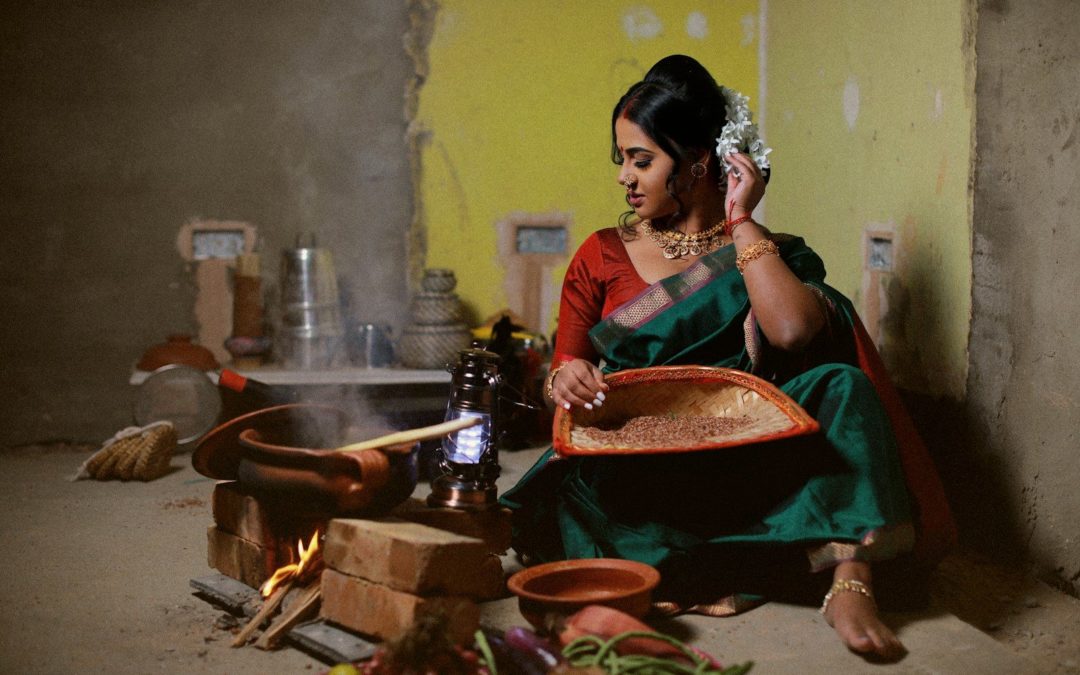
Ayurveda is a traditional medical system from the Indian subcontinent, practiced for thousands of years. Its approach is holistic and individualized: it aims to maintain health and treat disease by balancing body, mind, and lifestyle through diet, herbal medicines, physical therapies, and behavioral practices. People most likely to benefit are those seeking preventive care, lifestyle guidance, help with chronic conditions (especially pain, stress-related disorders, metabolic issues), and integrative supportive treatments. Evidence supports some Ayurvedic practices and herbs for specific conditions, but quality and consistency of research vary. Safety, product quality, and integration with conventional care are important considerations.
Key sections
- What Ayurveda is (core concepts)
- Basic goal: Promote balance and resilience (svasthya) by aligning diet, routine, and therapies with each person’s constitution and current state.
- Doshas: Vata, Pitta, Kapha – functional principles describing tendencies (movement, metabolism, structure). Diagnosis and therapy are individualized according to a person’s doshic state.
- Other concepts: Agni (digestive/metabolic fire), ama (toxic or undigested material), dhatus (tissues), and malas (waste products). Treatments try to kindle agni, remove ama, and restore balance.
- Modalities: Diet and lifestyle counseling, herbal formulations, external therapies (massage, oils), detoxification regimens (panchakarma), yoga and pranayama, and mind-body practices.
- What Ayurveda is commonly used for (where people seek it)
- Prevention and health maintenance: Personalized diet and daily routine to improve sleep, energy, digestion, immunity, and resilience to stress.
- Musculoskeletal pain: Chronic low back pain, osteoarthritis, and other non-emergent pains-often treated with herbal formulations, medicated oils, and massage approaches.
- Stress, anxiety, and sleep problems: Lifestyle interventions, herbal adaptogens, and relaxation practices (yoga, breathing) that target mental well-being.
- Digestive and metabolic issues: Indigestion, irritable bowel symptoms, bloating, and lifestyle-centered approaches for weight management and metabolic health.
- Skin conditions: Chronic eczema, psoriasis, acne-where topical and systemic herbal regimens are sometimes used as part of a broader program.
- Supportive care in chronic illnesses: Complementary therapies to improve quality of life, symptom burden, and functional status in some long-term conditions.
- Women’s health and reproductive wellness: Menstrual irregularities, PMS, menopausal symptom management, often via lifestyle, diet, and specific herbs.
- Preventive approaches for aging-related concerns: Promoting vitality (rasayana) through diet, herbs, and practices.
- Evidence: what is supported and what is uncertain
- Some interventions show promising results in randomized trials and observational studies for pain relief, osteoarthritis symptoms, certain metabolic parameters, and quality-of-life measures. Mind-body components (yoga, breathing) have stronger evidence for stress reduction, anxiety, and some pain conditions.
- Herbal products used in Ayurveda have varying levels of scientific support. Certain herbs (e.g., curcumin/turmeric, ashwagandha, ginger) have relatively robust research; others lack high-quality clinical trials.
- Overall research quality is uneven: many studies are small, have methodological limitations, use nonstandardized formulations, or lack long-term safety data.
- Systematic reviews and authoritative bodies encourage more rigorous trials, standardization, and pharmacovigilance.
- Who is Ayurveda good for (patient profiles)
Likely to benefit:
- People seeking preventive, lifestyle-based health improvement and individualized guidance.
- Individuals with chronic, non-emergent conditions (chronic pain, stress-related disorders, digestive complaints, metabolic risk) who are open to integrative care and lifestyle change.
- People who want nonpharmacologic tools (diet, yoga, massage) and personalized counseling.
May be less appropriate or requires caution:
- People with acute or life-threatening conditions who need urgent conventional medical care (e.g., heart attack, stroke, sepsis).
- Those on multiple prescription medications without medical oversight – risk of herb-drug interactions.
- Pregnant or breastfeeding people: many herbs are contraindicated; therapies like panchakarma often avoided.
- Young children, elderly with frailty, or people with serious organ dysfunction – need specialist oversight and close coordination with conventional clinicians.
- Common Ayurvedic therapies explained
- Dietary and daily regimen (dinacharya): individualized foods, meal timing, and routines to balance doshas and support digestion.
- Herbs and formulations: single herbs (e.g., turmeric, ashwagandha) and compound formulas. Quality, dosing, and sourcing matter.
- Panchakarma: a set of purification procedures (massage, oleation, sudation, and eliminative therapies). Can be intensive and should be supervised by trained practitioners.
- External therapies: Abhyanga (medicated oil massage), shirodhara (stream of oil over the forehead), nasya (nasal oils), and fomentation.
- Lifestyle and mind-body: Yoga, meditation, breathing exercises, and behavioral advice.
- Rasayana (rejuvenation) therapies: dietary, herbal, and lifestyle interventions aimed at long-term vitality.
- Safety, quality, and risks
- Contamination and adulteration: Some Ayurvedic products have been found to contain heavy metals (lead, mercury, arsenic), undeclared pharmaceuticals, or microbial contaminants. Choose reputable suppliers and product testing.
- Herb-drug interactions: Herbs can affect drug metabolism (e.g., liver enzymes) and alter effectiveness or toxicity of drugs such as anticoagulants, antihypertensives, immunosuppressants, and diabetes medications.
- Procedural risks: Panchakarma and certain oil therapies can cause adverse effects if done improperly, especially in vulnerable patients.
- Contraindications: Pregnancy, breastfeeding, severe organ failure, uncontrolled psychiatric illness-seek specialist advice before Ayurvedic therapies.
- Regulation varies widely by country: practitioners and products may be regulated differently; product quality is not uniformly assured.
- How to choose a practitioner and integrate with conventional care
- Credentials: Look for trained, licensed or accredited practitioners where regulation exists. Ask about formal training, clinical experience, and continuing education.
- Communication: A good practitioner will ask about your full medical history, medications, allergies, and coordinate with your primary care or specialty clinicians when appropriate.
- Safety-first approach: Avoid stopping essential conventional medications without medical supervision. Discuss herb-drug interactions and lab monitoring.
- Ask about product sourcing, standardization, and third-party testing of herbs and supplements.
- Consider integrative centers where conventional and Ayurvedic practitioners work together.
- Practical tips for starting Ayurveda
- Start with lifestyle/dietary changes and mind-body practices (daily routine, sleep, yoga, stress reduction), which carry low risk and may yield benefits.
- If using herbs or formulations, use products from reputable manufacturers; start with lower doses and monitor for side effects.
- Avoid self-prescribing complex purification (panchakarma) or potent herbal formulations without a qualified practitioner.
- Keep your conventional clinician informed, especially if you have chronic diseases or take prescription medications.
FAQs (frequently asked questions)
Q: Is Ayurveda a replacement for conventional medicine?
A: Generally no. Ayurveda can be a complementary system for prevention, symptom management, and quality-of-life improvement. For acute, severe, or life-threatening medical conditions, conventional emergency care and evidence-based treatments are essential. Integrative care can be coordinated between providers.
Q: Are Ayurvedic herbs safe?
A: Some are safe and well-studied (e.g., turmeric, ginger), but others may cause adverse effects or interact with drugs. Contamination with heavy metals in some products has been reported. Use tested, reputable products and consult a knowledgeable clinician.
Q: Can Ayurveda help with chronic pain?
A: Many people report symptom relief from Ayurvedic regimens that combine lifestyle changes, herbal therapies, massage, and yoga. Some clinical studies support benefit for conditions like osteoarthritis and chronic low-back pain, but evidence quality varies.
Q: Is there scientific evidence for Ayurveda?
A: There is growing research-some randomized trials and observational studies show benefit for specific conditions and practices (e.g., yoga for stress reduction). However, methodological limitations, small sample sizes, and inconsistent product standardization limit broad conclusions. More high-quality trials are needed.
Q: Should pregnant people use Ayurveda?
A: Exercise caution. Many herbs and procedures are contraindicated during pregnancy. Non-invasive lifestyle and dietary advice from a qualified practitioner may be appropriate, but always consult your obstetrician.
Q: How do I know an Ayurvedic product is safe?
A: Look for third-party testing, certificates of analysis, GMP (Good Manufacturing Practices) compliance, and transparency about sourcing and standardization. Avoid products that make sweeping “cures” or hide ingredients.
Q: Where can I find evidence-based information?
A: Reputable sources include national health agencies, WHO documents on traditional medicine, peer-reviewed journals indexed in PubMed, and government portals for traditional medicine (e.g., India’s Ministry of AYUSH).
External links and resources
- National Center for Complementary and Integrative Health (NCCIH) – Ayurveda: https://www.nccih.nih.gov/health/ayurveda
- World Health Organization (WHO) – Traditional, Complementary and Integrative Health: https://www.who.int/health-topics/traditional-complementary-and-integrative-medicine
- Ministry of AYUSH (Government of India) – official resources and guidelines: https://www.ayush.gov.in/
- PubMed search for Ayurveda (peer-reviewed literature): https://pubmed.ncbi.nlm.nih.gov/?term=Ayurveda
- Cochrane Library (systematic reviews of complementary medicine): https://www.cochranelibrary.com/
- ClinicalTrials.gov – trials involving Ayurvedic interventions: https://clinicaltrials.gov/ (search term: Ayurveda)
Final notes
Ayurveda offers a time-honored, person-centered approach emphasizing lifestyle, diet, and personalized therapies. It is particularly suited to people seeking preventive care, management of chronic symptoms, and integrative wellness strategies. However, users should be aware of variable evidence, product quality concerns, and potential risks-especially herb-drug interactions and contamination-and should coordinate care with conventional healthcare providers. If you want, I can:
- Summarize scientific evidence for a specific Ayurvedic herb or condition (e.g., turmeric for osteoarthritis);
- Help draft questions to ask an Ayurvedic practitioner;
- Recommend reliable sources to evaluate a specific product. Which would you like?

by Herbally | Oct 2, 2026 | Holistic
Understanding the concept of holistic medicine can feel complicated, especially with so many different health approaches available today. This article will help you navigate the basics, explaining what holistic medicine is, its core principles, and the types of treatments it involves.
Unlike conventional medicine, which often zeroes in on specific symptoms or diseases, holistic medicine takes a wider view. It considers the entire person-mind, body, spirit, and emotions-as interconnected parts of a whole. The idea is that if one part is out of balance, it affects everything else.[S1]
This approach aims to address the root causes of health issues, rather than just masking symptoms. It often integrates both traditional medical treatments and alternative therapies to achieve overall well-being.[S1][S2]
What Exactly Is Holistic Medicine?
Holistic medicine is a healing philosophy that looks at the whole person to achieve optimal health. This means a practitioner considers your physical health, mental state, spiritual beliefs, and emotional well-being.[S1][S3]
It’s about understanding that your health isn't just about what's happening inside your body, but also how external factors like your environment, lifestyle, and stress levels play a role. The ultimate goal is not merely to treat illness but to help you find balance and address the underlying reasons for any health concerns.[S2][S4]
What Are the Core Principles of This Approach?
Several key beliefs guide holistic medicine practitioners. One central idea is the body's innate healing power, recognizing your body's natural ability to heal itself.[S2]
Another principle emphasizes optimal health as a conscious journey toward the highest level of functioning and balance across all aspects of your life-physical, mental, emotional, social, and spiritual. Holistic care also focuses on prevention, aiming to stop illness before it starts, and promotes individualized care, understanding that each person is unique.[S2][S5]
The patient is seen as an active participant in their healing process, working collaboratively with the practitioner. This often involves open communication and a focus on building a strong relationship between the patient and the healthcare provider.[S5][S6]
What Types of Treatments Does Holistic Medicine Use?
Holistic medicine uses a wide array of treatments, often combining conventional medicine with complementary therapies. These can be quite diverse.
- Mind and Body Therapies: These practices help connect your mental and physical states. Examples include meditation, mindfulness, yoga, tai chi, and even hypnosis.[S5][S7][S8]
- Natural Therapies: This category includes approaches like herbal remedies, making dietary adjustments (such as avoiding processed foods), and using vitamins and supplements.[S7][S9]
- Body Therapies: These are "hands-on" treatments. Think massage therapy, acupuncture, acupressure, chiropractic care, and reflexology.[S5][S7][S9]
- Whole Medical Systems: Some holistic approaches are complete systems of medicine from different cultures, such as Traditional Chinese Medicine (TCM) and Ayurvedic medicine.[S8][S9]
It's important to remember that a holistic practitioner might suggest a blend of these therapies tailored to your specific needs.[S6]
What Are the Benefits of a Holistic Approach to Health?
Adopting a holistic approach can bring several advantages. For one, it offers personalized care, with treatment plans designed specifically for your unique situation.[S2][S6]
This approach often leads to a greater emphasis on prevention, helping you build healthy habits like good nutrition, regular exercise, and adequate sleep to avoid future health problems.[S2][S6] Patients often feel more empowered, taking an active role in their own health journey.[S2][S10]
Many individuals report a stronger immune system, better pain management, and reduced levels of anxiety and stress.[S11][S12] It can even help decrease symptoms of depression.[S11] Focusing on the whole person can truly improve overall health and quality of life.[S2]
Is Holistic Medicine Evidence-Based?
This is a common question, and the answer is nuanced. Many holistic practices have a growing body of scientific research supporting their effectiveness. For example, acupuncture has shown clear benefits for pain management in systematic reviews and meta-analyses.[S13][S14]
Yoga and meditation are also widely recognized for their ability to reduce stress and improve mental health.[S13][S14] However, it's crucial to understand that not all holistic therapies have the same level of scientific backing. Some treatments are still being studied, and others may lack robust evidence.[S15][S16]
When considering any holistic treatment, it's always wise to discuss it with your healthcare provider and look for practitioners who prioritize evidence-based methods.[S13][S17]
Holistic medicine offers a comprehensive way to approach your health, focusing on the interconnectedness of your mind, body, and spirit. By considering all aspects of your well-being, it aims to treat the root causes of issues and empower you to take a more active role in maintaining your health. This integrative approach, often combining conventional and complementary therapies, seeks to achieve optimal health and a balanced life. Remember to seek qualified practitioners and discuss all treatments with your primary care doctor to ensure a safe and effective path to wellness.[S5][S18]