
by Herbally | Oct 5, 2026 | Greek
How is Chios Mastiha Used for Treating Health Concerns?
Introduction
Chios mastiha (also spelled mastic or mastiha) is a natural resin harvested from the bark of the Pistacia lentiscus var. chia tree, cultivated almost exclusively on the southern slopes of the Greek island of Chios. The resin-often called the “tears of Chios”-has been used for thousands of years for flavoring, chewing, and traditional medicine. In recent decades it has drawn scientific interest for potential benefits in digestive health, oral hygiene, anti-inflammatory activity, and more. This article summarizes the history, traditional and modern uses, current evidence, practical examples of use, frequently asked questions, safety considerations, and where to find more information.
A brief history
- Antiquity: Mastic appears in ancient Greek texts (Hippocrates, Dioscorides) and was prized throughout the Mediterranean and Middle East for chewing, perfuming and medicinal applications.
- Trade and culture: From medieval times through the Ottoman era, Chios mastiha was a valuable export item. The mastic-producing villages on Chios preserved the traditional cultivation and harvesting methods.
- Modern recognition: Chios mastiha has protected status within the EU as a regionally specific product (PDO – Protected Designation of Origin) and is the subject of modern phytochemical and clinical research.
What is in Chios mastiha?
Mastiha is a complex mixture of terpenes, terpenoids, polymeric resin acids, and volatile fractions. Key components include α-pinene, myrcene, and various triterpenes and phenolic compounds. These constituents are thought to underlie the resin’s reported antimicrobial, antioxidant and anti-inflammatory properties.
How Chios mastiha is used for health concerns
Note: The information below summarizes research and traditional uses and should not replace medical advice. Consult a healthcare professional before using mastiha to treat a condition.
- Digestive health and H. pylori
- Traditional use: Mastiha has been chewed or taken as a powder or extract for indigestion, stomach pain and other gastrointestinal complaints.
- Research: In vitro and some clinical studies suggest mastic extracts can inhibit Helicobacter pylori (the bacterium associated with peptic ulcers and gastritis) and reduce gastric inflammation. Small clinical trials have reported symptomatic improvement in some patients with functional dyspepsia or gastritis after mastiha supplementation. However, evidence is mixed, and mastiha is not established as a replacement for standard H. pylori eradication regimens. It may have adjunctive benefit in some cases.
- Typical forms used: encapsulated mastic powder, mastic gum chewed, standardized extracts.
- Oral health and dental hygiene
- Chewing mastiha gum has long been used to freshen breath and reduce oral bacteria. Clinical studies report reductions in dental plaque, oral malodor, and some pathogenic oral microbes after chewing mastic gum or using mastic-containing mouthwashes. Mastiha’s antimicrobial and anti-inflammatory action may contribute to improved gingival health.
- Anti-inflammatory and antioxidant effects
- Laboratory studies show mastiha extracts can reduce inflammatory markers and oxidative stress in cells and animal models. Some small human studies have reported modest reductions in inflammatory biomarkers after mastiha supplementation. These effects are promising but need larger clinical trials to establish meaningful benefits for chronic inflammatory conditions.
- Lipid metabolism and metabolic effects
- A few clinical trials have explored mastic’s effects on blood lipids and glucose. Some trials reported modest reductions in total cholesterol and LDL, while others found no significant effect. Evidence remains preliminary.
- Skin and topical uses
- Mastiha oil and resins have been used in topical formulations for wounds, minor skin irritations and cosmetic products. Antimicrobial and wound-healing properties have been demonstrated in laboratory studies; clinical evidence is limited.
- Antimicrobial and antifungal activity
- In vitro studies show mastic’s activity against a range of bacteria and some fungi. Translating these findings into consistent clinical efficacy requires more research.
Forms and examples of use
- Chewing gum/resin “tears”: Chewing the raw resin releases volatile compounds and is used for breath-freshening and oral health. Example: chewing a small resin “tear” after meals.
- Powder or capsules: Ground mastiha (or standardized extracts) taken orally. Example: some clinical studies used around 1-2 g/day of mastic powder or equivalent extracts for several weeks; protocols vary. Do not exceed manufacturer recommendations without medical advice.
- Oils and tinctures: Used topically for skin applications or included in oral rinses.
- Mouthwashes/toothpaste: Used in dental products for antimicrobial effect.
- Culinary and beverage uses: Mastiha flavoring is used in baked goods, ice cream, and liqueurs (e.g., Chios mastiha liqueur), providing gentle exposure as a food ingredient.
Evidence summary and limitations
- Strengths: A growing body of in vitro, animal, and small human studies supports antimicrobial, anti-inflammatory and oral-health effects of mastiha. Several clinical trials-particularly for dyspepsia and oral health-report positive signals.
- Limitations: Many studies are small, short-term, or variable in mastiha preparation and dosing. High-quality, large randomized controlled trials are still limited. Mastiha should be considered a complementary approach rather than a proven standalone therapy for serious diseases (e.g., confirmed H. pylori infection or peptic ulcer disease).
Safety and precautions
- Generally regarded as safe for most adults when used short-term in common forms (chewing gum, culinary amounts, standard supplements).
- Possible side effects: GI upset (rare), allergic reactions (rare), tooth wear if chewing excessively.
- Interactions: Limited data on interactions with medications. Exercise caution if taking anticoagulants, antiplatelet drugs, or medications metabolized by the liver-discuss with your clinician.
- Pregnancy and breastfeeding: Insufficient safety data-avoid therapeutic use unless advised by a healthcare professional.
Practical guidance (non-prescriptive)
- Choosing a product: Look for products that specify “Chios mastiha” or “Pistacia lentiscus var. chia” and reputable manufacturers. PDO-labeled or certified products indicate regional authenticity.
- Typical consumer pattern: Chewing a small mastic resin tear after meals, or taking an encapsulated powdered extract according to label instructions. Clinical studies have used varying doses; follow product directions and seek medical advice for treatment of specific conditions.
- Storage: Keep resin or powdered forms in a cool, dry place; resin may harden in cold conditions and soften when warmed.
Examples (illustrative case-style descriptions)
- Example A – Oral health: A person chews mastiha gum several times daily after meals. Over weeks they note fresher breath and a dentist observes reduced plaque accumulation.
- Example B – Functional dyspepsia: A patient with non-ulcer dyspepsia takes a standardized mastiha supplement for 4-8 weeks and reports reduced bloating and discomfort; symptoms improve modestly but do not fully resolve, and standard care options are considered.
- Example C – Culinary use: A baker uses a small amount of mastiha powder to flavor traditional pastries and as an enjoyable way for customers to experience mastiha’s taste and aroma.
Frequently asked questions (FAQs)
Q: Can Chios mastiha cure H. pylori infection?
A: No evidence supports mastiha as a proven cure for H. pylori. Laboratory and some clinical data suggest inhibitory effects on H. pylori, and mastiha might have adjunctive benefits, but standard antibiotic-based eradication regimens remain the established treatment. Consult a physician for H. pylori testing and treatment.
Q: Is it safe to chew mastiha every day?
A: Chewing small amounts of mastic gum daily is generally considered safe for most people. Excessive chewing could stress teeth or jaw muscles. If you have dental issues, discuss with your dentist.
Q: Are all mastic gums the same?
A: No. Chios mastiha (Pistacia lentiscus var. chia) is geographically and chemically distinct and has PDO status. Other regions produce related resins but with different compositions and historical pedigrees.
Q: How quickly might I notice benefits?
A: Effects vary by condition. For oral health, benefits like fresher breath can be noticed quickly; clinical improvements in dyspepsia or inflammatory markers in trials often require weeks of use. Individual responses differ.
Q: Where can I buy authentic Chios mastiha?
A: Look for reputable brands and labels indicating “Chios mastiha” or PDO status. Specialty food stores, Greek product retailers, or certified online vendors sell authentic mastiha products.
Conclusion
Chios mastiha is a historically prized resin with a long record of traditional use for digestion, oral health, and topical applications. Modern research supports several promising biological activities-particularly antimicrobial, anti-inflammatory, and antioxidant effects-and small clinical studies show potential benefits for oral hygiene and some digestive symptoms. However, the evidence base is still limited by small trials and variable preparations. Mastiha may be a useful adjunctive or preventive natural product for some people, but it should not replace conventional therapies for serious medical conditions. Always consult a healthcare professional before starting mastiha for treatment purposes, especially for infections or chronic diseases.
Further reading and clickable resources
- General overview (Wikipedia): https://en.wikipedia.org/wiki/Mastic
- PubMed search results for research articles on mastic/Chios mastic: https://pubmed.ncbi.nlm.nih.gov/?term=Chios+mastic
- PubMed search for mastic gum and H. pylori: https://pubmed.ncbi.nlm.nih.gov/?term=mastic+gum+Helicobacter+pylori
- European Commission – EU quality schemes (information on PDO and related labels): https://ec.europa.eu/info/food-farming-fisheries/food-safety-and-quality/certification/quality-labels_en
- For consumer products and producers (example growers’ association / product info-search for official Chios mastiha associations or certified vendors to ensure authenticity)
(Note: product vendor links vary by region-check local sources and certification.)
If you’d like, I can:
- Summarize specific clinical trials on mastiha (with links to the original papers),
- Compare Chios mastiha with other natural gums and resins, or
- Provide guidance on how to choose a supplement product (what to look for on labels). Which would you prefer?
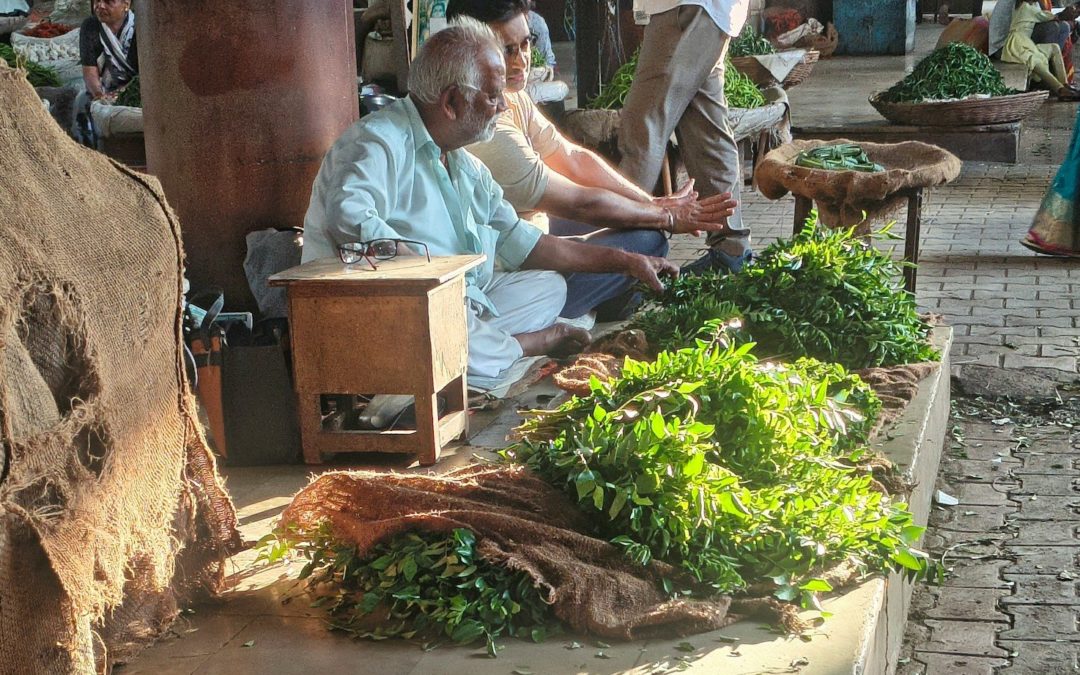
by Herbally | Oct 4, 2026 | Herbs
What is Ethnobotany and Who Uses It Today?
Introduction
Ethnobotany is the multidisciplinary study of the relationships between people and plants: how human cultures use, manage, classify, and perceive plant life. It bridges botany, anthropology, ecology, pharmacology, history, and law to document traditional knowledge about plants-medicinal uses, food, materials, spiritual practices, agricultural systems, and even social organization related to plant use. Ethnobotany values local and Indigenous knowledge as both culturally significant and scientifically informative, and it explores how that knowledge can inform conservation, sustainable development, and biomedical discovery.
A brief history of ethnobotany
- Prehistory and ancient civilizations: Long before ethnobotany became a formal discipline, people across the world developed detailed plant knowledge. Archaeological evidence and ancient texts show systematic use of medicinal and food plants in ancient Egypt, China, India, Mesopotamia, Mesoamerica, and elsewhere.
- Early written records and herbals: Works such as Dioscorides’ De Materia Medica (1st century CE) and medieval herbals compiled plant uses for medicine and cuisine, serving as early ethnobotanical references.
- Formal naming of the field (late 19th century): The English botanist John William Harshberger is credited with coining the term “ethnobotany” in 1895 to describe the study of how people in different cultures use plants.
- 20th century and the modern discipline: Richard Evans Schultes, often called the “father of modern ethnobotany,” carried out systematic fieldwork among Indigenous peoples in the Amazon (mid-1900s), documenting psychoactive and medicinal plant uses and helping establish methods for ethnobotanical field study. Since then, the field has expanded to include ecological and ethical concerns, intellectual property issues, and formal partnerships with Indigenous communities.
- Contemporary developments: Modern ethnobotany integrates molecular tools, pharmacological assays, GIS mapping, participatory research methods, and legal frameworks such as the Convention on Biological Diversity and the Nagoya Protocol for access and benefit-sharing.
Who uses ethnobotany today?
Ethnobotany is applied across many sectors. Key users include:
- Indigenous and local communities: Primary holders and transmitters of traditional botanical knowledge; they use ethnobotanical practice for medicine, food, cultural rituals, and land management.
- Ethnobotanists and anthropologists: Document, interpret, and publish plant knowledge while striving for ethical collaboration and proper consent.
- Botanists and taxonomists: Use ethnobotanical data to prioritize species for study, conservation, and classification.
- Pharmacologists and pharmaceutical companies: Mine traditional knowledge to guide drug discovery (ethnopharmacology), though this raises legal and ethical questions about consent and benefit-sharing.
- Conservationists and ecologists: Use traditional use data to identify culturally important species, prioritize habitat protection, and support biocultural diversity.
- Agricultural scientists and crop breeders: Study traditional crop varieties, seed systems, and agroecological practices (e.g., companion planting, landrace maintenance) to improve resilience and food security.
- Public health practitioners and herbalists: Integrate traditional plant remedies into community health strategies, where appropriate and safe.
- Policymakers and legal experts: Build frameworks for intellectual property, biodiversity conservation, and equitable benefit-sharing (e.g., the Nagoya Protocol).
- Museologists and ethnobotanical garden curators: Preserve plant collections and cultural knowledge for education and research.
- Educators and students: Use ethnobotany as an interdisciplinary teaching tool linking biology, culture, and sustainability.
- Forensic botanists and archaeobotanists: Use plant remains to solve crimes or reconstruct past human-plant interactions.
Key examples and case studies
These well-known examples show how ethnobotany has influenced science, medicine, and policy:
- Quinine and Cinchona (Cinchona spp.): Indigenous peoples in the Andes used cinchona bark to treat fevers. This knowledge led to the isolation of quinine, a pivotal antimalarial drug that shaped global medicine and colonial history. (See: https://www.britannica.com/science/quinine)
- Artemisinin and Artemisia annua: Traditional Chinese medicine used Artemisia plant preparations for fevers. Tu Youyou and colleagues drew on ancient texts to isolate artemisinin, a breakthrough antimalarial that earned her the 2015 Nobel Prize in Physiology or Medicine. (See: https://www.nobelprize.org/prizes/medicine/2015/tu/facts/)
- Rosy periwinkle and vincristine/vinblastine: Traditional knowledge in Madagascar did not directly prescribe modern cancer therapies, but botanical research on Catharanthus roseus led to the discovery of alkaloids used in chemotherapy for certain cancers. This is often cited as an example of the potential medical importance of plant diversity. (See: https://en.wikipedia.org/wiki/Rosy_periwinkle)
- Aspirin and willow bark: Longstanding folk uses of willow bark for pain relief were part of the historical trail that led chemists to isolate salicin and develop aspirin (acetylsalicylic acid). (See: https://www.britannica.com/science/aspirin)
- Neem, Hoodia, and bioprospecting controversies: Efforts by companies to patent or commercialize compounds derived from plants used by Indigenous peoples have led to disputes over ownership and benefit-sharing. These cases illustrate why ethical frameworks and legal protections are central to modern ethnobotany. (See: https://www.cbd.int/abs/)
- Crop domestication and ethnobotany: Ethnobotanical research has clarified how Indigenous farmers domesticated and managed staple crops-e.g., maize (corn), potatoes, quinoa-informing plant breeding and conservation of agrobiodiversity.
Methods used in ethnobotany
Ethnobotany combines qualitative and quantitative approaches:
- Ethnographic fieldwork: participant observation, interviews, focus groups, and oral histories recorded with informed consent.
- Botanical methods: specimen collection, herbarium voucher preparation, taxonomic identification.
- Laboratory analyses: phytochemical screening, bioassays, molecular genetics.
- Participatory and community-based research: co-design of studies, community benefit agreements, capacity building.
- GIS and spatial analysis: mapping resource use and habitat distribution.
- Literature review and historical ethnobotany: analysis of historical texts, herbals, and colonial records.
Ethics, law, and Indigenous rights
Ethnobotany must address ethical obligations:
- Informed consent: researchers must obtain meaningful, prior informed consent from communities.
- Benefit-sharing: communities should receive fair benefits if their knowledge leads to commercial products (Nagoya Protocol on Access and Benefit-sharing: https://www.cbd.int/abs).
- Intellectual property: debates continue over patents on traditional knowledge and biological resources.
- Cultural sensitivity and data sovereignty: communities often assert rights over how their knowledge is recorded, stored, and shared.
- Conservation and co-management: ethical ethnobotany often supports community-led conservation and sustainable use.
Frequently asked questions (FAQs)
Q: What is the difference between ethnobotany, ethnopharmacology, and economic botany?
A: Ethnobotany is the broad study of human-plant relationships (cultural, ecological, utilitarian). Ethnopharmacology focuses specifically on how plants are used as medicines and seeks pharmacological validation. Economic botany emphasizes plants’ economic roles-food, fiber, timber, trade-and how plant-based economies function.
Q: Can traditional plant knowledge be trusted for treating serious illnesses?
A: Many modern drugs have origins in traditional uses, which can guide research. However, not all traditional remedies are safe or effective by modern standards. Ethnobotanical leads require rigorous pharmacological and clinical testing before medical adoption.
Q: How are Indigenous communities protected from exploitation?
A: International agreements like the Convention on Biological Diversity and the Nagoya Protocol provide frameworks for access and benefit-sharing. Ethical research also relies on local laws, community protocols, prior informed consent, and co-designed agreements.
Q: How do researchers document plant knowledge ethically?
A: Best practices include transparent communication, consent, community participation in research design, shared ownership agreements, capacity-building, and protocols for how data and specimens may be used and published.
Q: What careers involve ethnobotany?
A: Careers can include academic researcher, conservationist, ethnopharmacologist, curator of botanical gardens or herbariums, NGO practitioner, community liaison, policy advisor, public health worker, and sustainable agriculture specialist.
Q: How can I learn ethnobotany?
A: Background in biology, botany, anthropology, or ecology is useful. Seek university courses, fieldwork internships, ethnobotanical garden programs, or organizations like the Society of Ethnobiology (https://ethnobiology.org) and Society for Economic Botany (https://www.econbot.org).
Further reading and resources (clickable links)
- Royal Botanic Gardens, Kew – Ethnobotany and medicinal plant information: https://www.kew.org/science/our-science/projects/ethnobotany
- Convention on Biological Diversity (CBD): https://www.cbd.int
- Nagoya Protocol on Access and Benefit-sharing (CBD): https://www.cbd.int/abs
- Society of Ethnobiology: https://ethnobiology.org
- Society for Economic Botany: https://www.econbot.org
- Biographical and historical: Richard Evans Schultes (Wikipedia): https://en.wikipedia.org/wiki/Richard_Evans_Schultes
- Artemisinin and the work of Tu Youyou (Nobel Prize): https://www.nobelprize.org/prizes/medicine/2015/tu/facts/
- Rosy periwinkle (Catharanthus roseus) overview: https://en.wikipedia.org/wiki/Rosy_periwinkle
- Aspirin and willow history (Encyclopaedia Britannica): https://www.britannica.com/science/aspirin
Conclusion
Ethnobotany is an inherently interdisciplinary and applied field that recognizes the deep ties between people and plants. Rooted in millennia of Indigenous and local knowledge, modern ethnobotany contributes to medicine, conservation, sustainable agriculture, cultural preservation, and policy. Today it is practiced by a wide array of actors-Indigenous stewards, scientists, conservationists, public-health professionals, and policymakers-who increasingly emphasize ethical research, community partnership, and equitable benefit-sharing. As global environmental change and biodiversity loss accelerate, ethnobotany’s role in documenting and supporting biocultural diversity is more important than ever.
If you’d like, I can:
- Expand one of the case studies into a longer, referenced profile (e.g., artemisinin or rosy periwinkle).
- Provide a bibliography of academic sources and textbooks for deeper study.
- Suggest university programs, field courses, or community organizations to get hands-on experience.
by Herbally | Oct 4, 2026 | Greek
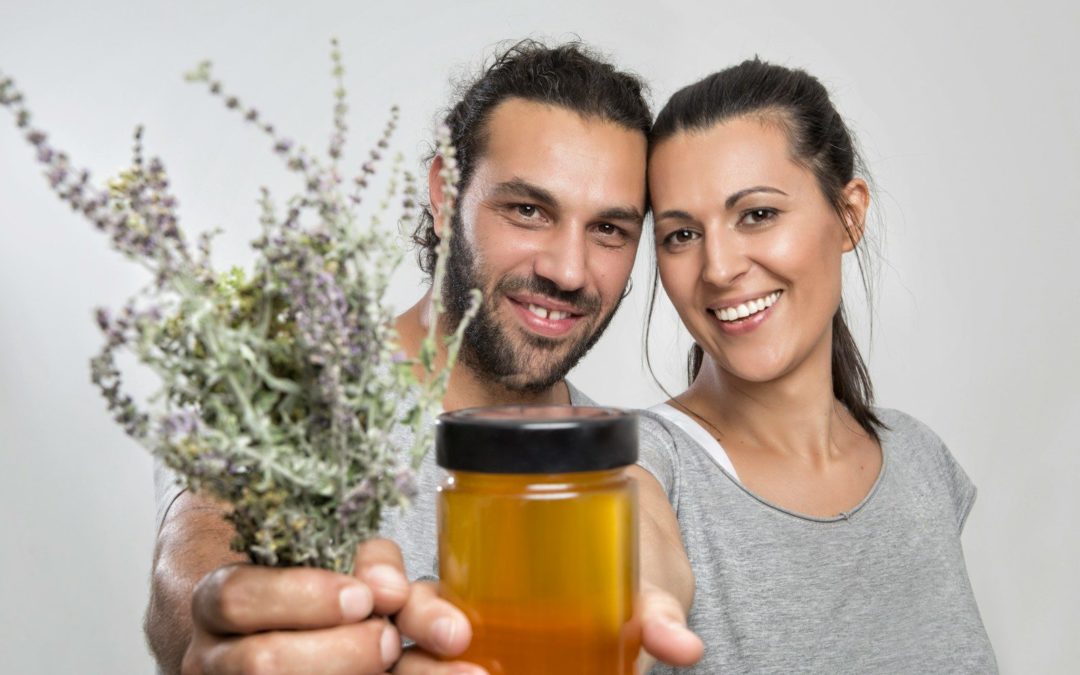
Chios mastiha, mountain tea, and thyme honey are still the stars of Greek medicine.
Introduction
Greece’s landscape – from the dry, resinous slopes of Chios to the high, aromatic meadows of the mainland and islands – has produced a small but potent pharmacopeia of natural remedies that remain widely used today. Among these, Chios mastiha (mastic gum), Greek mountain tea (Sideritis species), and thyme honey stand out. They are embedded in folk practice, celebrated in cultural traditions and cuisine, and increasingly examined by modern science for antimicrobial, anti-inflammatory, antioxidant and other health-promoting properties.
A brief history
- Chios mastiha: Harvested for millennia from the Pistacia lentiscus var. chia on the southern side of the Greek island of Chios, mastic has a long recorded history. Ancient physicians and pharmacists valued it for digestive and oral-health uses; Byzantine and Ottoman archives document its commercial and medicinal role; and the resin’s economic and cultural importance has been recognized up to the present day. The “Mastic of Chios” holds a protected designation of origin (PDO) within the EU.
- Mountain tea (Sideritis): Known in Greek as tsai tou vounou (mountain tea) or shepherd’s tea, Sideritis species have been brewed as infusions since antiquity. Pliny and later herbalists described Sideritis as useful for colds, gastrointestinal complaints and as a general restorative. Rural Greeks used it as an everyday infusion for mild ailments and as a warming, relaxing drink.
- Thyme honey: Greece’s flora produces many monofloral honeys; thyme (various Thymus and Thymbra species) yields a strongly aromatic, amber honey prized both for taste and for therapeutic use. Farmers and healers traditionally used it for respiratory infections, wound care and as a nutritional tonic.
What they are and how they’re used
- Chios mastiha: A natural tree resin (oleoresin). Harvested by making small cuts in the bark; the resin “tears” drip and harden into glossy, tear-shaped droplets. Uses include chewing the resin as a breath freshener and oral antiseptic, dissolving small pieces in water or oil for digestive remedies, or using refined extracts in lozenges, gums, toothpastes and cosmetics.
- Mountain tea (Sideritis spp.): A herbal infusion made from dried aerial parts (flowers, leaves, stems). Steeped in hot water to make a straw-colored, mildly floral tea often drunk plain or with a little honey and lemon.
- Thyme honey: A monofloral honey produced when bees forage predominantly on thyme/Thymbra flowers. Consumed directly, used as a sweetener for infusions (including mountain tea), and applied topically in traditional wound care or for cough relief.
What modern research says (summary)
- Antimicrobial and oral health: Studies support mastic’s antibacterial activity against certain oral pathogens and Helicobacter pylori, and its inclusion in oral-care products (toothpaste, mouthwashes) is supported by both tradition and research. Thyme honey also shows antimicrobial properties associated with its high phenolic content and low water activity; it is similar to other medicinal honeys in its capacity to inhibit microbial growth in vitro.
- Gastrointestinal effects: Mastic has been investigated for relief of functional dyspepsia and as adjunctive therapy in H. pylori infection, with some clinical and experimental evidence for benefit. Mountain tea has been used for mild digestive complaints, though rigorous clinical data are more limited.
- Anti-inflammatory and antioxidant effects: Mountain tea is rich in flavonoids and other antioxidants; lab studies suggest anti-inflammatory and neuroprotective potential. Thyme honey’s antioxidant profile also contributes to its traditional use for soothing sore throats and supporting recovery.
- Respiratory support and immune modulation: Thyme honey’s demulcent and antimicrobial actions justify its traditional role for cough and upper respiratory symptoms; mountain tea is commonly used to ease colds and as a mild relaxant.
Examples and everyday uses
- Oral hygiene: Chewing a piece of Chios mastiha after meals for breath, or using toothpaste containing mastic extract to help reduce plaque and gingivitis.
- Digestive aid: A teaspoon of ground mastic or a few drops of mastic oil (in food or water) used traditionally for mild indigestion or heartburn; many modern products specify standardized extracts and doses.
- Everyday tea: Mountain tea infusion (1-2 teaspoons dried herb per cup, steep 5-10 minutes) drunk hot with a spoonful of thyme honey for colds or as a calming evening drink.
- Cough remedy: A warm infusion of mountain tea sweetened with thyme honey, sipped slowly to coat the throat and reduce coughing.
- Topical care: Thyme honey applied as a protective dressing for minor wounds and burns (after cleaning) – used traditionally and sometimes recommended when medical-grade honey (like Manuka) is not available. Note: medical consultation is advised for significant wounds or infections.
- Culinary and cultural: Mastic is used in sweets (kourabiedes, ice creams, halva), mountain tea is a national comfort beverage, and thyme honey is a table honey prized for its unique aroma.
FAQs
Q: Are these remedies safe? Any side effects?
A: Generally they are safe when used as food or modest herbal preparations. Mastic can cause allergic reactions in people with tree resin sensitivities. Some individuals may have gastrointestinal upset from mastic. Mountain tea is well tolerated in typical dietary amounts; excessive use of any concentrated herbal preparation may cause unwanted effects. Thyme honey is not safe for infants under 12 months (botulism risk). If you have allergies, are pregnant or breastfeeding, or are on medications (especially anticoagulants, anti-diabetics or immunosuppressants), consult a healthcare professional before regular therapeutic use.
Q: Can Chios mastiha cure H. pylori or stomach ulcers?
A: Mastic has shown activity against H. pylori in vitro and in some small clinical studies, and some people report symptom improvement. However, it should not replace conventional antibiotic regimens when H. pylori infection is confirmed. Discuss adjunctive use with your physician.
Q: How much mountain tea should I drink?
A: For general wellness, 1-3 cups per day (each made from about 1-2 teaspoons of dried herb) is common in traditional use. Follow product directions for concentrated extracts.
Q: Is thyme honey better than other honeys?
A: Thyme honey has a distinct aromatic and phenolic profile that confers notable antimicrobial and antioxidant activity. “Better” depends on purpose and taste – for wound care, medical-grade honeys (e.g., sterilized manuka-grade dressings) are better documented in clinical settings.
Q: Where can I buy authentic Chios mastiha or Greek mountain tea?
A: Look for PDO or regionally labeled mastiha from Chios and reputable sellers for Sideritis teas. Buying from established Greek producers or specialty herb shops reduces the risk of substitutes.
Safety, sourcing and practical tips
- Authentication matters: Chios mastiha with PDO labeling, and botanical identification for Sideritis species, help ensure authenticity.
- Quality of honey: Single-origin thyme honey will be labeled as such; look for minimal processing and clear traceability.
- Storage: Keep mastic in a cool, dry place (wrapped or in a sealed jar), mountain tea in an airtight container away from light, and honey in a sealed jar at room temperature.
- Pregnant or breastfeeding women and people on medication should consult a healthcare provider before therapeutic use.
- Children under 12 months should not receive honey.
Further reading and external links
- Chios mastic (overview): https://en.wikipedia.org/wiki/Mastic
- Sideritis (mountain tea) overview: https://en.wikipedia.org/wiki/Sideritis
- Honey (general information, including floral honeys): https://en.wikipedia.org/wiki/Honey
- PubMed Central search – Chios mastic: https://www.ncbi.nlm.nih.gov/pmc/?term=Chios+mastic
- PubMed Central search – Sideritis (mountain tea): https://www.ncbi.nlm.nih.gov/pmc/?term=Sideritis+mountain+tea
- PubMed Central search – thyme honey: https://www.ncbi.nlm.nih.gov/pmc/?term=thyme+honey
- World Health Organization – Traditional, Complementary and Integrative Medicine: https://www.who.int/teams/traditional-complementary-integrative-medicine
Conclusion
Chios mastiha, mountain tea and thyme honey are more than nostalgic folklore: they are living parts of Greek culture and everyday medicine. Their long histories are reinforced by emerging scientific evidence that supports antimicrobial, anti-inflammatory and antioxidant benefits – though high-quality clinical trials are still limited for many traditional uses. Used sensibly and sourced carefully, they can offer mild symptomatic relief, culinary delight and a connection to centuries of Mediterranean herbal knowledge. As with any health intervention, consult a healthcare professional for serious conditions or before using these products as substitutes for proven medical treatments.
by Herbally | Oct 4, 2026 | Greek
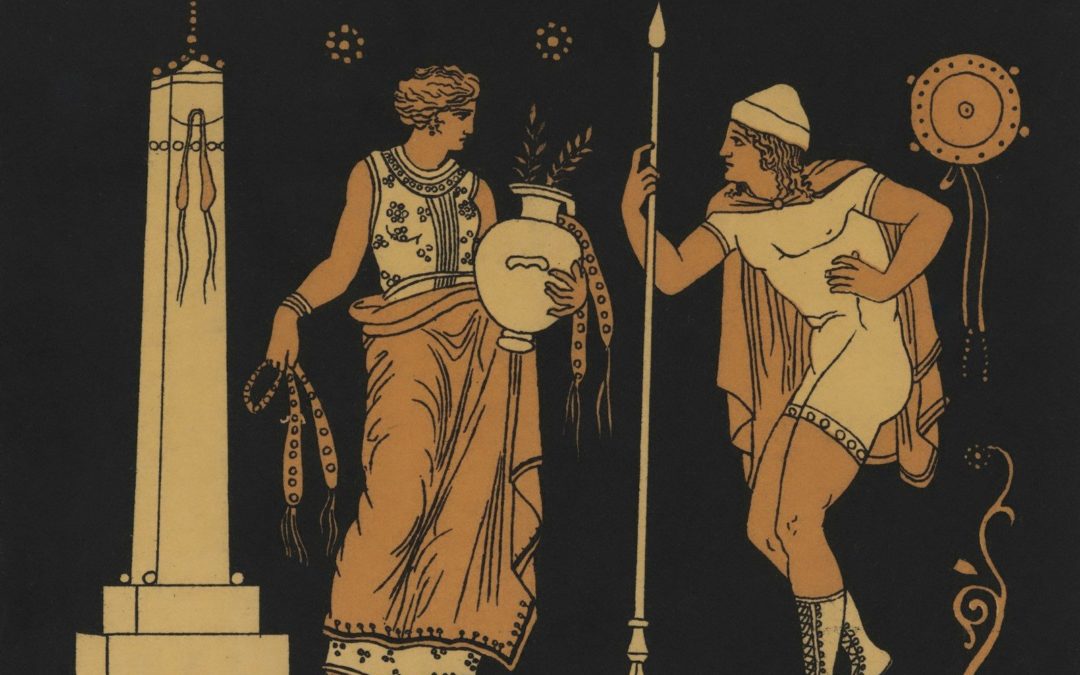
What is Greek’s folks medicine and do people still rely on it ?
Introduction
Greek folk medicine (also called traditional Greek medicine or popular medicine) is the body of healing knowledge, remedies, rituals and beliefs that developed in Greece over millennia. It draws on ancient classical texts (Hippocrates, Dioscorides), Byzantine medical traditions, local botanical knowledge from island and mountain communities, and influences from neighboring Mediterranean and Ottoman cultures. Today it survives as a living mix of plant-based remedies, dietary practices, physical therapies, religious rites and household commonsense-used sometimes instead of, but increasingly alongside, modern medicine.
A brief history
- Antiquity: Classical authors such as Hippocrates (ca. 460-370 BCE) and Dioscorides (1st century CE) laid the foundations of Western medicine and materia medica. Many herbs and approaches they described-diet regulation, balancing humors, topical poultices-became embedded in folk practice.
- Byzantine period: Medical texts were copied, adapted and transmitted through monasteries; religious and magical-religious elements blended with practical therapies (holy water, relics, prayers).
- Ottoman and regional exchange: Centuries of contact with Anatolia, the Levant and the Balkans introduced new crops, techniques and herbal knowledge; at the same time, isolated islands and mountain villages preserved distinctive local recipes.
- Modern era: As state-supported hospitals and pharmaceuticals expanded in the 20th century, traditional remedies declined in urban centers but remained strong in rural areas and among older generations. Economic issues (for example, during the 2010s austerity period) and renewed interest in “natural” treatments have helped revive some practices.
Core concepts and common practices
- Herbal remedies: Infusions, decoctions, poultices, syrups and macerations from locally grown or wild-collected plants. Common species include:
- Sideritis spp. (Greek “mountain tea”) – used as a tea for colds, digestion and general well-being.
- Origanum dictamnus (dittany of Crete) – historically prized for wound healing and stomach complaints.
- Olea europaea (olive oil) – topical for skin, mixed with herbs for massages, used orally for constipation.
- Salvia officinalis (sage) – gargles for sore throat, tea for digestion.
- Matricaria chamomilla (chamomile) – calming tea, anti-spasmodic for stomach aches.
- Pistacia lentiscus var. chia (mastic gum from Chios) – used for digestive issues and oral hygiene.
- Food as medicine: The Mediterranean diet-olive oil, legumes, vegetables, herbs, moderate wine-is itself a therapeutic continuum in folk thinking: diet prescriptions for specific conditions (e.g., cooling foods for “hot” imbalances).
- Topicals and physical therapies: Poultices (onion, plantain, clay), compresses, olive-oil massages, heat (hot stones), cupping and, historically, bloodletting.
- Alcohol and honey: Spirits (like tsipouro or raki) and wine used antiseptically or in tinctures; honey for wounds and coughs.
- Religious and ritual healing: Prayers, blessings, holy water, and visits to saints’ shrines remain common-healing seen as both physical and spiritual.
- Word-magic and charms: Incantations, protective charms and orally transmitted “recipes” (applied especially to children or to avert the “evil eye”).
Examples of traditional remedies and uses
- Mountain tea (Sideritis spp.) infusion: A daily tea made from wild mountain tea is used for respiratory complaints, mild digestive trouble, and general fatigue.
- Thyme or oregano honey syrop: Thyme-infused honey for sore throats and coughs.
- Olive oil ear drops: Warmed olive oil for softening earwax or easing ear pain (commonly used, though caution is advised and it’s not a substitute for medical care).
- Mastic gum (Chios mastiha): Chewed for oral health or consumed in a preparation for mild gastric discomfort.
- Dittany poultice: Traditional poultice from Crete for wounds and sometimes used as a mythical “panacea” in folk lore.
- Sage gargle: Sage leaves boiled and cooled for gargling with sore throat or mouth inflammations.
Do people still rely on Greek folk medicine?
Yes-but in nuanced ways. Modern Greece has a well-developed health system and most people use conventional medicine for serious illness. Nonetheless:
- Complementary use: Many Greeks combine folk remedies with modern treatments-using herbal teas for mild colds, olive oil compresses for minor skin problems, or sage gargles for sore throats while seeing a doctor if symptoms worsen.
- Rural persistence: In remote islands and mountainous villages, older residents often rely more on traditional knowledge-partly because of cultural continuity and partly due to limited access to specialized care.
- Resurgence and commercialization: Interest in natural products, herbal supplements, and traditional foods has grown. Products like Chios mastiha, mountain tea, and thyme honey are marketed internationally.
- Cultural and religious role: Ritual healing, saints’ shrines, and home remedies persist as expressions of identity and comfort, irrespective of clinical effectiveness.
- Cautionary note: Not all folk remedies are safe or effective. Some are harmless, others ineffective, and a few can be dangerous if used instead of needed medical care or combined with pharmaceuticals without guidance.
Frequently Asked Questions (FAQs)
Q: Is Greek folk medicine the same as ancient Greek medicine?
A: Not exactly. Greek folk medicine has roots in ancient Greek and Byzantine texts (like Hippocrates and Dioscorides) but also absorbed local, regional and later influences. It’s a living folk tradition rather than a single historical system.
Q: Are these remedies scientifically proven?
A: Some components (e.g., olive oil benefits, antimicrobial properties of certain herbs, nutritional benefits of the Mediterranean diet) have scientific support. Others have limited or no reliable clinical evidence. Rigorous testing varies by remedy.
Q: Can I safely use Greek herbs at home?
A: Many herbal teas (mountain tea, chamomile) are generally safe in moderation for healthy adults. However, pregnant or breastfeeding women, children, people with chronic diseases, or those taking medicines should consult a healthcare professional before using herbal remedies-interactions and contraindications exist.
Q: Where can I buy authentic Greek traditional products?
A: Look for reputable vendors, protected-origin products (e.g., Chios mastiha), certified herbal suppliers or cooperatives. Buying from established producers reduces the risk of contamination or adulteration.
Q: Are any practices hazardous?
A: Yes-delaying professional care for serious conditions, using unsterile poultices, ingesting toxic plants, or mixing herbal remedies with prescription drugs without advice can be harmful.
Selected examples and sources (clickable)
- Dioscorides, De Materia Medica (historic reference) – https://en.wikipedia.org/wiki/De_Materia_Medica
- Greek mountain tea (Sideritis) – https://en.wikipedia.org/wiki/Sideritis
- Dittany of Crete (Origanum dictamnus) – https://en.wikipedia.org/wiki/Origanum_dictamnus
- Mastic of Chios (Pistacia lentiscus var. chia) – https://en.wikipedia.org/wiki/Chios_mastic
- WHO Traditional Medicine Strategy – https://www.who.int/publications/i/item/9789241506096
- Review on traditional knowledge and Mediterranean ethnobotany (example PubMed) – https://pubmed.ncbi.nlm.nih.gov/ (search term: “ethnobotany Greece”)
(For scholarly overviews search PubMed or Google Scholar for “Greece traditional medicine” or “ethnobotany Greece”.)
Practical considerations and safety
- Use folk remedies for mild, self-limiting conditions and as supportive care (e.g., teas for mild colds, topical olive oil for dry skin).
- Seek medical care for red flags: high fever, severe pain, shortness of breath, persistent bleeding, signs of infection, severe dehydration, sudden neurological changes.
- Tell your doctor about any herbal or traditional therapies you use-herbs can interact with prescription drugs.
- When collecting wild plants, be sure of correct identification; many species look similar and can be toxic if misidentified.
Conclusion
Greek folk medicine is a multifaceted cultural heritage combining ancient classical knowledge, local botanical wisdom, religious rituals and home-based therapies. While modern medicine is primary for serious health problems in Greece today, traditional remedies remain widely used-for everyday complaints, cultural continuity and as complementary care. Their continued relevance reflects not only practical utility but also identity, local economies and a global interest in natural products. As with any medical approach, the safest path balances respect for traditional knowledge with scientific scrutiny and professional medical advice.
Disclaimer: This article is informational and not medical advice. Consult a licensed healthcare professional before trying new treatments, especially if you have existing health conditions or are on medication.

by Herbally | Oct 3, 2026 | Africa
What is traditional African medicine like?
Introduction
Traditional African medicine (TAM) is a broad, living set of health knowledge, practices and beliefs shaped over millennia across Africa’s many cultures, languages and ecological zones. It includes herbal remedies, spiritual and ritual care, manual therapies and community-based health practices. For most of the continent’s history, TAM has been the primary – and often only – accessible form of healthcare for many communities. Today it remains widely used alongside biomedical services and is increasingly the subject of scientific study, policy development and efforts at regulated integration into national health systems.
This article describes the worldview, common practices, roles of practitioners, evidence and safety issues, and how traditional African medicine interacts with modern medicine. It also answers frequent questions and points to reliable external resources for further reading.
Core features and worldview
- Holistic orientation: TAM commonly treats people as whole beings embedded in families and communities. Illness is often understood in physical, social and spiritual terms – for example, a disease may reflect a biological cause, social conflict, ancestral displeasure or imbalance.
- Contextual diagnosis: Diagnosis may combine observation of physical signs with interrogation, divination, lineage and social inquiry. Diviners or spiritual healers may be asked to identify non-physical causes.
- Person- and community-centered care: Healing often emphasizes restoring social relationships and community equilibrium as part of recovery. Rituals, prayers and family involvement can be essential therapeutic steps.
- Place-based knowledge: Remedies and practices are closely linked to local ecosystems and cultural knowledge transmitted through families, apprenticeships and oral tradition. Plants, minerals and animal products often form the pharmacopeia.
Common modalities and practices
- Herbal medicine: The most widespread component. Decoctions, infusions, poultices, tinctures, and topical pastes are made from roots, barks, leaves, seeds and other plant parts. Some preparations are used for acute ailments; others for chronic care or preventive nutrition.
- Spiritual/ritual healing and divination: Healers may perform prayers, sacrifices, cleansing rituals, or consult divinatory systems (for example, throwing bones, using trays, or other culturally specific tools) to uncover spiritual causes or guide therapy.
- Manual therapies: Bone-setting, joint manipulation, massage, and traditional obstetric support (midwifery) are common.
- Scarification, steaming and fumigation: Used in some contexts for both healing and symbolic purposes.
- Traditional birth attendants (TBAs): TBAs provide prenatal/obstetric care in many rural communities, offering support, cultural practices and sometimes acting as a bridge to clinical services.
- Mental and social healing: Practices to address grief, spirit possession, social conflict and mental distress are integral and often combine counseling, community mediation and ritual.
Types of practitioners
- Herbalists: Specialists in plant-based remedies and materia medica.
- Diviners/sangomas/marabouts/babalawos (terminology varies by region): Spiritual healers and advisors who may diagnose via spiritual means and prescribe rituals.
- Traditional birth attendants: Experienced midwives who assist pregnancies and births.
- Bonesetters and manual therapists: Practitioners of musculoskeletal care.
- Community healers: Many villages have trusted elders or healers who combine multiple roles.
Training is typically through apprenticeships, family lineage, dreams or calling, not through standardized formal education – though some countries are introducing more formal registries and training programs.
Knowledge transmission and biodiversity
Traditional medical knowledge is culturally embedded and often handed down orally. It depends on local biodiversity – certain plant species have great cultural and medicinal value. This link raises conservation concerns: overharvesting, habitat loss and illegal trade can threaten medicinal species (for example, some tree species used for prostate remedies have been overexploited).
Efficacy, evidence and research
- Mixed levels of evidence: Some traditional remedies have pharmacologically active compounds and have inspired modern drugs (globally), while many other remedies have not been rigorously tested in controlled clinical trials. Where trials exist, results vary: some show benefit, others no effect, and many are inconclusive due to small sample sizes or poor trial design.
- Increasing scientific interest: Ethnopharmacology and clinical research are investigating active components, mechanisms of action, dosing and safety. Research can help validate effective practices and identify risks.
- Challenges: Standardizing complex herbal mixtures, ensuring reproducible dosing, and isolating active compounds are difficult. Intellectual property and benefit-sharing with communities are important ethical issues.
Safety, regulation and interactions
- Safety concerns: Contamination with microbes, heavy metals, pesticides or adulteration with pharmaceutical drugs can occur. Self-dosing, unclear ingredients, and unsafe practices (e.g., unsterile scarification) pose risks.
- Drug interactions: Herbs can interact with prescription medicines – for example, affecting drug metabolism or altering effectiveness of antiretrovirals, anticoagulants, anti-hypertensives and other drugs.
- Vulnerable groups: Pregnancy, infancy and severe medical conditions require extra caution; some traditional remedies are contraindicated in pregnancy or for infants.
- Regulation: Countries vary widely. Some African states have formal recognition of traditional healers, national policies, herbal pharmacopeias, and systems for registration and quality control. The World Health Organization has encouraged member states to develop regulatory frameworks that ensure safety and quality while respecting cultural practices.
Integration with biomedicine
- Complementary use: Many people use both systems – visiting clinics for acute or emergency care and consulting traditional healers for chronic, culturally framed, or spiritual problems.
- Collaboration models: Successful integration respects both systems. Examples include referral networks, mutual education, co-location of services, and collaborative research. Integration efforts aim to improve access to care while safeguarding patient safety.
- Barriers: Mutual mistrust, differences in explanatory models of illness, regulatory gaps, and lack of standardized training hinder seamless integration.
Conservation and sustainability
High demand for certain medicinal species has prompted conservation responses: cultivation programs, community-based sustainable harvesting, legal protection, and, in some cases, restrictions via international agreements. Sustainable use requires combining traditional stewardship with modern conservation science.
Case examples (illustrative)
- Moringa oleifera: Widely used as a nutritional supplement and for various traditional uses; has recognized nutritional benefits though claims of treating many diseases need stronger clinical evidence.
- Devil’s claw (Harpagophytum spp.): Native to southern Africa, used for musculoskeletal pain and studied in clinical trials with some evidence for pain relief in osteoarthritis and back pain.
- Prunus africana (African cherry): Bark used traditionally for urinary and prostate issues; global demand led to conservation concerns and regulatory measures (it’s been subject to international trade controls).
FAQs
Q: Is traditional African medicine safe?
A: “Safe” depends on practice, practitioner, and context. Many traditional healers use effective, benign practices; others may use unsafe methods, contaminated products, or remedies that interact with conventional drugs. Always inform your biomedical clinician about any traditional remedies you’re using. Avoid unsterile procedures and unknown combinations, and be cautious during pregnancy and for children.
Q: Can traditional medicine cure major diseases like HIV, cancer or malaria?
A: Some traditional remedies offer symptomatic relief or supportive care, and some plants have compounds with therapeutic activity. However, biomedical treatments for many serious diseases (e.g., antiretrovirals for HIV, effective chemotherapies for cancer, established antimalarials) remain standard of care with strong evidence. Relying solely on unproven traditional cures for life-threatening conditions can be dangerous. Coordinated care – using biomedical treatment together with supportive traditional practices where appropriate and safe – is often the best approach.
Q: How do I find a reputable traditional healer?
A: Reputation within the community, years of practice, referrals from trusted people, transparency about remedies, and willingness to collaborate with biomedical providers are good signs. Some countries have registries or associations of healers; where available, consult those. Always ask about ingredients and precautions.
Q: Are traditional medicines regulated?
A: Regulation varies. Some countries have formal herbal pharmacopeias, registration systems and professional associations for traditional healers; others have limited oversight. The WHO advocates for policies to ensure quality, safety and efficacy.
Q: Can I mix herbal remedies with my prescribed medications?
A: Not without checking with a qualified clinician or pharmacist. Herbs can interact with prescription drugs, changing their effect or increasing side effects. Provide a full list of herbal products to your healthcare provider.
Q: How is knowledge protected when researchers study traditional remedies?
A: Ethical research should include benefit-sharing, informed consent of communities, recognition of cultural ownership, and compliance with national and international laws on biodiversity and intellectual property (e.g., Nagoya Protocol). This remains a complex issue that needs careful handling.
Practical tips for patients and caregivers
- Tell your doctor about any traditional remedies or healers you’re using.
- Ask healers about ingredients, preparation methods, and possible side effects.
- Be cautious about injecting or cutting procedures from unlicensed sources.
- Avoid self-medicating for serious conditions; seek emergency care when needed.
- Support conservation: choose sustainably sourced plant products and avoid items made from endangered species.
Conclusion
Traditional African medicine is diverse, culturally rooted and deeply important to millions of people across the continent. It offers holistic approaches, rich pharmacopoeias and community-based care that complements modern health systems. At the same time, it raises legitimate questions about safety, standardization, conservation and evidence. Responsible policy, respectful collaboration between traditional and biomedical practitioners, rigorous research, and community-protective ethics can help harness the benefits of traditional knowledge while reducing risks. For patients, open communication with healthcare providers and informed decision-making are essential.
Further reading and external resources
- World Health Organization – Traditional, complementary and integrative medicine
https://www.who.int/health-topics/traditional-complementary-and-integrative-medicine
- World Health Organization – Traditional Medicine Strategy 2014-2023 (policy document)
https://apps.who.int/iris/handle/10665/92455
- PubMed Central – Search results for “traditional medicine Africa” (research articles and reviews)
https://www.ncbi.nlm.nih.gov/pmc/?term=traditional+medicine+Africa
- Journal of Ethnopharmacology – official journal for research on traditional medicines
https://www.journals.elsevier.com/journal-of-ethnopharmacology
- National Center for Complementary and Integrative Health (NCCIH) – general information on herbal medicines and safety
https://www.nccih.nih.gov/
- IUCN Red List – species conservation status (useful for checking medicinal plant vulnerability)
https://www.iucnredlist.org/
If you’d like, I can:
- Summarize scientific evidence for specific African medicinal plants you’re interested in (with cited studies).
- Describe how a specific country regulates traditional medicine.
- Provide guidance on safe questions to ask a traditional healer or how to discuss traditional remedies with your clinician.